Getting a professional skin treatment is one of the most effective ways to restore your skin’s natural glow and tackle stubborn concerns like congestion or fine lines. However, many people overlook a crucial factor: proper preparation. Following a dedicated pre facial routine is easily fifty percent of your treatment’s overall success.
When you prepare your skin properly, you protect your moisture barrier and help active ingredients penetrate deeper. On the flip side, skipping pre-care can lead to unexpected sensitivity, chemical irritation, or unnecessary downtime. Whether you are getting a quick hydrating treatment or an advanced resurfacing session, this guide covers everything you need to know before stepping into the spa.
1. Universal Pre-Facial Rules:
Before diving into specific timelines, every client should follow three core principles to keep their skin safe.
-
Pause Strong Active Skincare: You must stop using potent home treatments several days before your appointment. Combining strong home ingredients with professional-grade exfoliants can compromise your skin barrier.
-
Avoid Sun Exposure and UV Damage: Estheticians cannot perform deep treatments or peels on sunburned skin. Excessive sun exposure makes your tissue reactive and increases the risk of post-treatment hyperpigmentation.
-
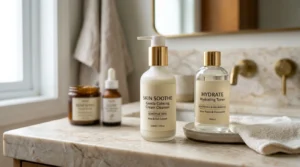
Prioritize Barrier Hydration: Focus on gentle, hydrating ingredients like hyaluronic acid and ceramides during the days leading up to your visit. Well-hydrated skin responds much better to professional care.
2. The Ultimate Pre-Facial Preparation Timeline
To take the guesswork out of your prep, follow this step-by-step countdown.

A. 2 to 4 Weeks Before: Medical Clearances & Injectables
If you routinely get cosmetic injectables or medical-grade skin treatments, you must space them out correctly:
-
Botox and Dysport: Wait at least 1 to 2 weeks after receiving neurotoxin injections before scheduling a facial. Facial massage can cause unanchored product to migrate to unwanted facial muscles.
-
Dermal Fillers: Wait 2 to 4 weeks after filler injections. This gives the product adequate time to settle into the tissue without being disturbed by firm pressure.
-
Prescription Medications: If you take oral isotretinoin (Accutane) or use medical-grade topical prescriptions, discuss your timeline with your esthetician. Severe prescription topicals require extended clearance periods.
B. 1 Week Before: Pausing High-Risk Grooming & DIY Care
Seven days before your visit, stop all facial hair removal methods, including waxing, threading, and depilatory creams. These hair removal techniques strip the top layer of dead skin cells, leaving micro-tears that sting during professional cleansing. You should also pause all aggressive DIY treatments, such as home microneedling rollers, pore vacuums, and artificial tanning beds.
C. 3 to 5 Days Before: The “Actives Pause” Phase
Stopping aggressive topicals is a vital part of your pre facial routine. Pause all over-the-counter retinol, prescription tretinoin (Retin-A), adapalene, and benzoyl peroxide 3 to 5 days before your appointment. Using these active ingredients too close to your treatment increases skin sensitivity and can cause surface burning during peels. Additionally, avoid introducing new skincare samples right before a treatment so you don’t trigger an unexpected allergic reaction.
D. 48 Hours Before: Stopping All Exfoliation
Two days before your appointment, pause all chemical exfoliants, including glycolic, lactic, and mandelic acids (AHAs), as well as salicylic acid (BHAs). You should also skip physical facial scrubs, cleansing brushes, and enzyme exfoliating pads.
E. Day of Your Appointment: Morning-Of Best Practices
On the day of your treatment, keep these practical steps in mind:
-
Wear Comfortable Clothing: Pick a low-collared shirt or top so your provider can easily access your neck and décolleté.
-
Arrive Bare-Faced: Skipping heavy foundation and eye makeup saves 10 to 15 minutes of cleansing time, giving your provider more time to focus on your actual treatment.
-
Hydrate Well: Drink plenty of water before your appointment to keep your cells plump and hydrated.
3. Pre-Care Guidelines Tailored by Specific Treatment Type
Different facial services require slightly different preparation steps.
How to Prepare for a HydraFacial or Hydro-Dermabrasion
HydraFacial treatments use fluid suction and specialized tip exfoliation to clear out pores. If you are scheduling a pre facial consultation for a HydraFacial, remember to disclose any allergies to aspirin, honey, or shellfish. Many hydro-dermabrasion solutions utilize salicylic acid (derived from aspirin compounds) or honey-based serums during the extraction process.
Pre-Care for Chemical Peels and Dermaplaning
Dermaplaning uses a sterile surgical blade to sweep away vellus hair and dead skin cells, while chemical peels rely on concentrated acids. For both treatments, strictly avoid physical and chemical exfoliation for a full week beforehand so the skin layer remains uniform and intact.
Pre-Care for Extraction-Heavy and Acne Facials
If you are struggling with active breakouts, resist the urge to pop pimples or squeeze blackheads at home. Picking at lesions creates open wounds and inflammation, making professional extractions much harder and increasing the risk of scarring.
4. Pre-Facial Care for Special Personas & Skin Types
Understanding individual skin needs helps prevent unexpected post-treatment complications.
Men’s Facial Prep and Shaving Guidelines
Men often wonder when they should shave before an appointment. The ideal window is 12 to 24 hours before your facial. Shaving the morning of your appointment creates invisible razor burns, which will sting when active serums are applied. Waiting 12 hours gives your skin barrier enough time to calm down while keeping stubble short enough for easy product application.
Event-Prep Timing (Weddings, Galas, & Photo Shoots)
Never schedule an intensive exfoliation session or deep extraction treatment 24 to 48 hours before a major event. Skin purging, slight redness, or temporary flaking can occur after deep cleansing. Instead, book deep treatments 7 to 10 days before your event, or opt for a purely hydrating treatment the day before.
5. What to Tell Your Esthetician During Your Consultation
Communication is key to getting great results safely. Be sure to share:
-
Your Current Skincare Lineup: List every active product you use at home, even if you paused it days ago.
-
Medical Updates: Disclose any pregnancies, active cold sores, or new health conditions.
-
Your Main Goals: Clarify whether you want an instant event glow or a multi-session plan for long-term acne management.
6. Quick-Reference Matrix: Pre-Facial Do’s and Don’ts
| What to DO Before Your Facial | What NOT to Do Before Your Facial |
| Hydrate: Drink extra water 48 hours prior. | Don’t Exfoliate: Stop scrubs and acids 48h before. |
| Pause Actives: Stop retinol/tretinoin 3 to 5 days out. | Don’t Pick: Avoid squeezing blackheads or pimples. |
| Space Injectables: Wait 2 weeks for Botox, 2 to 4 for Fillers. | Don’t Wax: Pause facial hair removal 5 to 7 days prior. |
| Arrive Bare-Faced: Skip heavy makeup to save time. | Don’t Shave Day-Of: Shave 12 to 24 hours prior to prevent burn. |
| Disclose Allergies: Mention shellfish, aspirin, or honey sensitivity. | Don’t Sunbathe: Avoid direct UV rays and tanning beds. |
7. Budget & Barrier-Prep Swap Guide
You don’t need expensive pre-treatment kits to prepare your skin. Here are two accessible ingredient swaps to build a strong pre facial barrier at home:
-
Instead of buying expensive pre-prep serums: Use a simple Hyaluronic Acid serum on damp skin, followed by a basic Ceramide cream.
-
Instead of using foaming cleansers: Switch to a gentle, non-foaming cream cleanser 3 days prior to keep natural oils intact.
FAQs
What happens if I accidentally use retinol 2 days before my facial?
Inform your esthetician immediately upon arrival. They can modify your treatment by swapping out harsh exfoliants for soothing, barrier-repairing ingredients to avoid burning your skin.
Can I wash my face the morning of my appointment?
Yes. Wash your face with a gentle, non-stripping cleanser. Avoid using heavy makeup, thick oils, or active treatments afterward.
Can I get a facial if I have an active cold sore?
No. Getting a facial with an active cold sore can spread the virus across your entire face. Reschedule your appointment once the sore is fully healed.
Is skin purging normal after a treatment?
Yes, mild purging can happen after deep extractions or chemical exfoliation as trapped oil comes to the surface. Following a clear pre facial plan helps minimize how severe that purging might be.
Can I exercise immediately after my appointment?
It is best to avoid intense workouts, saunas, and heavy sweating for 24 hours post-treatment. Sweat and heat can irritate freshly exfoliated skin and clog clear pores.
Final Takeaway
Investing a little time into your pre-facial care routine ensures you get the safest, most radiant results possible from your aesthetician. By protecting your skin barrier and timing your treatments correctly, you set the foundation for healthy, glowing skin.