Fire safety is one of the most important responsibilities for any organization, building owner, or facility manager. Fires can cause serious injuries, property damage, and financial loss if safety measures are not properly maintained. Because of this, businesses and property managers must actively evaluate potential hazards and implement preventive measures.
A proper Fire Risk Assessment helps identify fire hazards, evaluate risks, and ensure that safety procedures protect both people and property. This process focuses on recognizing ignition sources, flammable materials, and other risk factors that may lead to a fire incident.
By understanding fire safety management and adopting effective fire prevention strategies, organizations can significantly reduce risks. In addition, regular safety inspections and proper documentation support compliance with workplace safety regulations and create a safer environment for everyone.
What is a Fire Risk Assessment
A Fire Risk Assessment is a structured process used to identify potential fire hazards, evaluate possible risks, and implement safety measures that reduce the likelihood of fire incidents. It examines how fires could start, how they might spread, and who could be affected.
This type of safety evaluation often includes fire hazard identification, inspection of fire protection systems, and review of emergency procedures. Safety professionals carefully analyze elements such as electrical equipment, heating systems, flammable materials, and building layout.
In many workplaces and commercial buildings, fire safety assessments form a critical part of risk management. The goal is not only to detect hazards but also to create a clear fire prevention plan. By documenting findings and implementing safety protocols, organizations improve workplace fire safety and reduce the potential for accidents.
Why Fire Risk Assessment is Important
Understanding the importance of fire safety helps organizations take proactive steps to protect their employees, customers, and assets. A detailed Fire Risk Assessment provides valuable insights into the safety condition of a building and highlights areas that require improvement.
One key benefit is the protection of human life. Identifying hazards early allows safety managers to implement evacuation planning, install proper detection systems, and ensure emergency exits remain accessible.
Another important factor is compliance. Many workplaces must follow safety regulations that require fire safety inspections and documentation. Maintaining a fire safety logbook and monitoring safety procedures demonstrates responsibility and accountability.
Organizations also benefit financially when they manage fire risks effectively. Preventing incidents reduces repair costs, business interruptions, and insurance claims. Therefore, regular risk evaluation plays an important role in maintaining safe and efficient operations.
Who Needs a Fire Risk Assessment
Different types of buildings and organizations require fire safety evaluations. Although risk levels vary between industries, most environments benefit from systematic hazard identification and prevention strategies.
Businesses and offices frequently conduct fire safety assessments because they host employees, visitors, and equipment that may create ignition sources. Offices often contain computers, electrical systems, and storage areas that require proper monitoring.
Educational institutions such as schools and colleges also require strong fire prevention planning. Students and staff must be protected through safe evacuation routes, alarms, and emergency procedures.
Hospitals and healthcare facilities demand even greater attention because patients may need assistance during emergencies. Proper evacuation planning and fire suppression systems help ensure safety in these environments.
Landlords and property managers also play a vital role. Residential buildings, apartments, and rental properties must maintain safe conditions by identifying hazards and implementing effective fire safety protocols.
Common Fire Hazards in Buildings
Recognizing potential hazards is one of the most important steps in preventing fire incidents. Many fires begin due to everyday risks that remain unnoticed until an accident occurs.
Electrical equipment is a common source of ignition. Overloaded circuits, damaged wiring, and poorly maintained appliances can generate heat that may lead to fire.
Flammable materials also create serious hazards. Items such as paper, chemicals, fuel, and certain fabrics can ignite quickly when exposed to heat or sparks.
Heating systems present another risk factor. Improperly installed heaters, boilers, or cooking equipment may cause fires if they are not maintained regularly.
Poor storage practices can also contribute to dangerous situations. Blocking emergency exits or placing combustible materials near heat sources increases the likelihood of fire spreading rapidly.
By identifying these hazards early, organizations can reduce risks and create a safer environment for employees and visitors.
Steps to Conduct a Fire Risk Assessment
A systematic process helps safety professionals analyze hazards and determine effective prevention strategies. Following clear steps ensures that no important factor is overlooked.
Identify Fire Hazards
The first step is identifying anything that could cause a fire. Inspectors look for ignition sources such as electrical equipment, open flames, or hot surfaces. They also review the presence of flammable materials that could fuel a fire.
Identify People at Risk
After identifying hazards, it is necessary to determine who may be affected. Employees, visitors, contractors, and residents may all face risks depending on the building layout and type of activity performed inside the facility.
Evaluate and Reduce Risks
Next, safety professionals evaluate the likelihood and impact of each hazard. They recommend control measures such as installing fire alarms, improving ventilation, or removing hazardous materials from risky locations.
Record Findings
Proper documentation plays an important role in safety management. Recording identified hazards and recommended actions helps organizations track improvements and maintain compliance with fire safety regulations.
Review and Update Regularly
Risk assessments should not remain static. Regular reviews ensure that safety procedures remain effective when building layouts change, new equipment is installed, or operational activities evolve.
Fire Risk Assessment Checklist
Using a checklist simplifies the inspection process and ensures that important elements are not overlooked. A typical safety checklist includes several key areas.
Inspectors review potential ignition sources such as electrical wiring, cooking equipment, and heating systems. They also check whether flammable materials are stored safely and away from heat sources.
Another important step involves evaluating fire detection systems. Smoke detectors, alarms, and warning systems must function properly to alert occupants quickly during emergencies.
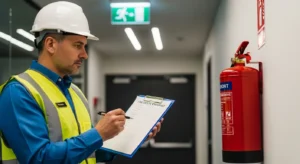
Emergency planning is equally important. Inspectors verify that evacuation routes remain clear and that emergency exits are easy to access. Staff members should also receive regular fire safety training so they know how to respond during an incident.
A well structured checklist supports consistent inspections and improves workplace fire safety.
Fire Safety Equipment to Evaluate During Assessment
Fire safety equipment plays a critical role in controlling emergencies and protecting building occupants. During inspections, safety professionals examine several types of protective systems.
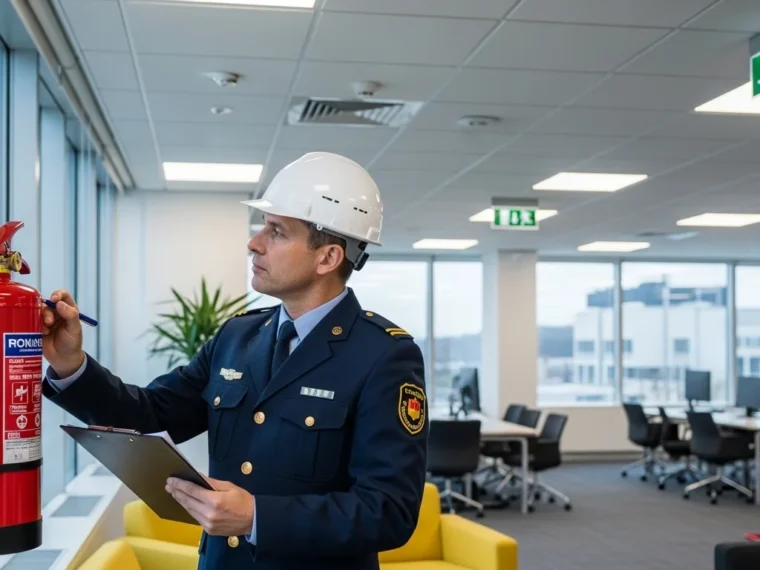
Fire extinguishers are one of the most common safety tools. Inspectors check their placement, accessibility, and maintenance status to ensure they work properly when needed.
Fire alarms and smoke detectors help provide early warnings. These devices detect smoke or heat and alert occupants so they can evacuate quickly.
Emergency lighting supports safe evacuation during power failures. Proper lighting ensures that people can see exit routes even in dark or smoky conditions.
Sprinkler systems and fire suppression equipment help control flames before they spread. These systems significantly reduce property damage and protect lives when fires occur.
Fire Risk Assessment Example
Understanding how a safety evaluation works in practice can help organizations conduct more effective inspections. Consider an office building that houses several departments and electronic equipment. Inspectors begin by identifying potential ignition sources such as overloaded electrical outlets and computer servers.
Next, they identify individuals at risk including employees, visitors, and maintenance staff. Because many people work on different floors, evacuation planning becomes a priority.
Safety professionals then evaluate risks and recommend solutions. For example, they may suggest installing additional smoke detectors, reorganizing storage areas that contain flammable materials, and conducting regular fire safety training sessions.
Finally, inspectors document their findings and establish a schedule for future reviews. This practical example demonstrates how safety assessments help reduce hazards and improve preparedness.
Benefits of Professional Fire Risk Assessment Services
While some organizations perform internal inspections, professional safety consultants often provide deeper expertise. Specialists have training in fire safety engineering, hazard analysis, and risk management strategies.
Experts can identify hazards that may be overlooked during routine inspections. They also provide detailed reports that help organizations implement effective fire prevention plans. Professional assessments also support compliance with safety regulations. Documentation from certified inspectors can demonstrate that a building meets required safety standards.
In addition, consultants often recommend modern safety technologies such as digital monitoring tools and improved fire protection systems. These improvements strengthen overall fire safety management.
When to Review a Fire Risk Assessment
Safety evaluations should be reviewed regularly to ensure that preventive measures remain effective. Buildings and workplaces constantly change, which may introduce new hazards.
One common reason for review is building renovation or modification. Structural changes can affect evacuation routes, fire detection systems, or ventilation.
Another reason involves changes in occupancy. When new employees join or the building hosts more visitors, risk levels may increase and require updated safety planning.
Installing new equipment can also introduce additional hazards, especially if machinery generates heat or uses flammable substances. Regular reviews ensure that safety procedures remain current and continue to protect building occupants effectively.
Common Mistakes in Fire Risk Assessments
Even well-intentioned safety programs can fail if organizations overlook important details. Several common mistakes reduce the effectiveness of risk evaluations.
One frequent problem is ignoring small hazards. Minor issues such as damaged cables or blocked exits may appear insignificant, but can quickly escalate during emergencies.
Another mistake involves outdated reports. When assessments are not updated after building changes, safety procedures may no longer reflect current risks.
Lack of employee training also creates serious problems. Staff members must understand evacuation procedures, fire alarm systems, and emergency responsibilities.
Poor documentation is another issue. Without accurate records, organizations may struggle to track improvements or demonstrate compliance with safety regulations.
How Technology is Improving Fire Risk Assessments
Modern technology has transformed the way safety professionals evaluate hazards and monitor buildings. Digital tools now help inspectors collect accurate data and maintain detailed records.
Mobile inspection applications allow safety managers to complete fire safety inspections quickly while documenting hazards with photos and notes. These tools also generate reports automatically, which simplifies record keeping.
Advanced monitoring systems also improve safety. Smart fire detection devices can analyze smoke patterns, temperature changes, and air quality to detect potential risks earlier.
Data analysis tools allow organizations to identify patterns and recurring hazards. By studying inspection data, safety managers can develop better prevention strategies and improve overall fire safety management.
Conclusion
Fire safety requires consistent attention, careful planning, and proactive prevention strategies. Conducting a Fire Risk Assessment allows organizations to identify hazards, evaluate risks, and implement effective safety measures.
From identifying ignition sources to maintaining fire protection systems, every step plays an important role in protecting people and property. Regular inspections, proper documentation, and employee training all contribute to a safer workplace.
By taking fire safety seriously and performing regular assessments, organizations can reduce hazards, maintain compliance with regulations, and create a secure environment for everyone.