Introduction
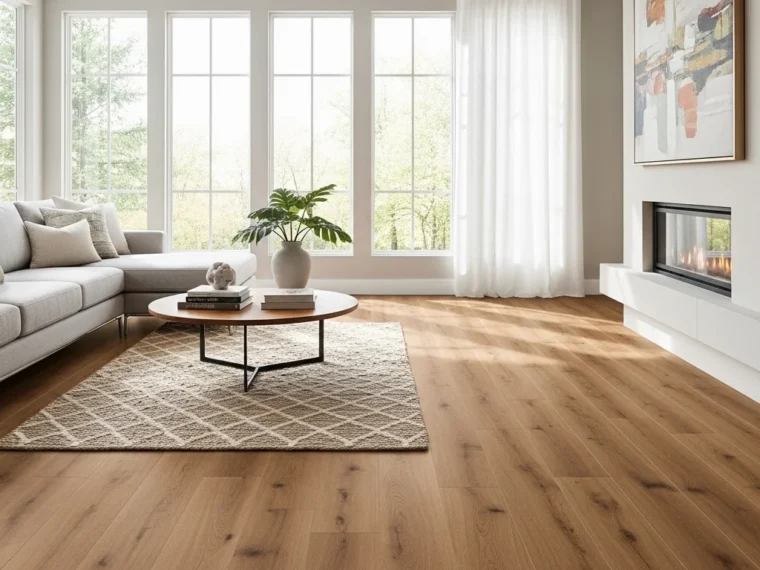
Luxury Vinyl Plank (LVP) flooring has become one of the most popular choices for homeowners and designers alike. Known for its incredible durability, style, and affordability, LVP is a synthetic material designed to replicate hardwood flooring, tile, or stone while providing superior performance. Whether you’re renovating a home or designing a new space, LVP flooring offers the perfect combination of aesthetics and practicality.
In this guide, we’ll walk you through the many benefits of LVP flooring, how it compares to other options like hardwood and laminate, and tips on installation and maintenance. With so many options available, choosing the right LVP for your home or commercial space has never been easier.
Why Choose LVP Flooring Over Other Options?
When it comes to flooring, LVP stands out for its many advantages. Let’s take a closer look at how it compares to other common flooring choices:
LVP vs Laminate
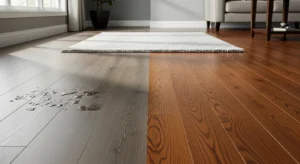
While both LVP and laminate offer a cost-effective alternative to hardwood, LVP has the edge in terms of durability and waterproofing. Unlike laminate, which can swell when exposed to moisture, LVP is fully waterproof, making it ideal for high-humidity areas like bathrooms, kitchens, and basements.
LVP vs Hardwood
LVP is often compared to traditional hardwood because of its wood-like appearance. However, LVP is far more affordable and can handle moisture without warping. It also doesn’t require the same level of maintenance that hardwood does, such as refinishing or sealing.
LVP vs Tile
While tile flooring can be beautiful and durable, LVP provides a warmer feel underfoot. It’s easier to install and maintain compared to traditional ceramic or stone tile, and it offers similar aesthetics at a fraction of the cost.
The Core Composition of LVP Flooring
LVP is made of several layers that contribute to its durability and performance. The construction typically includes the following components:
Wear Layer
The topmost layer is designed to protect the floor from scratches, stains, and UV damage. A thicker wear layer ensures that the LVP flooring can withstand heavy traffic and resist wear over time.
Design Layer
This layer gives LVP its aesthetic appeal, often mimicking the appearance of wood or stone. With advancements in printing technology, LVP can now feature highly realistic textures and designs.
Core Layer
The core layer gives LVP its strength and stability. It is often made from materials like wood plastic composite (WPC) or stone plastic composite (SPC). WPC is known for being softer and more flexible, while SPC offers added rigidity and water resistance.
Backing Layer
The backing layer provides additional stability and moisture resistance. It helps with sound insulation and reduces the risk of water damage from below the floor.
Benefits of LVP Flooring
LVP flooring is not only versatile and aesthetically appealing, but it also provides several practical benefits:
Waterproof and Scratch-Resistant
One of the most significant advantages of LVP flooring is its waterproof nature. Whether you’re installing it in a bathroom or a kitchen, you can rest assured that LVP will not be damaged by moisture. Its scratch-resistant properties also make it perfect for households with pets or young children.
Pet-Safe LVP
If you’re a pet owner, you’ll appreciate that LVP is an excellent choice for homes with animals. Not only is it durable, but it’s also easy to clean. Whether your dog or cat tracks in dirt or spills water, LVP flooring can handle it with ease.
Affordable Option
Compared to traditional hardwood or tile, LVP is a more affordable option. It mimics the appearance of high-end flooring materials but at a fraction of the cost. Additionally, its longevity means you won’t have to worry about frequent replacements.
Easy to Install
LVP flooring is easy to install, making it a popular choice for DIY homeowners. Most LVP options come with a click-lock installation system that requires no glue or nails. You can even install it over existing flooring, saving both time and money.
LVP Flooring Design Trends for 2026 and Beyond
LVP flooring isn’t just about function; it’s also about style. Over the years, LVP has become more versatile in terms of design, with new trends emerging every year. Here are some of the latest trends for 2025:
Wood-Look Designs
Wood-look LVP continues to be a favorite for homeowners who want the appearance of hardwood without the maintenance. The variety of finishes, including rustic, traditional, and modern, allows homeowners to create any style they desire.
Textured LVP
Embossed in Register (EIR) technology has become increasingly popular, allowing LVP to replicate the texture of real wood or stone. This added texture enhances the realistic look and feel of the floor, providing a more authentic aesthetic.
LVP for Commercial Spaces
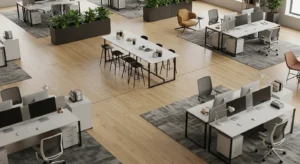
LVP is also making a big impact in commercial design. Its durability and ease of maintenance make it an ideal choice for offices, retail spaces, and even hospitality environments like hotels. Look for LVP with commercial-grade wear layers for high-traffic areas.
Installation Process:
DIY Installation
One of the greatest selling points of LVP is how easy it is to install. With the click-lock installation system, you don’t need glue, nails, or staples. Most homeowners can successfully install LVP themselves, even without professional help. Make sure to measure your space accurately and follow the manufacturer’s instructions for a seamless finish.
When to Hire a Professional
While DIY installation is simple, there are some situations where it’s best to hire a professional. Complex layouts, such as diagonal installations or intricate patterns, may require expert skills. Professional installers also have the tools and experience to handle any challenges that may arise during the installation process.
Maintenance and Care
One of the key benefits of LVP flooring is its low maintenance requirements. Here are some tips for keeping your LVP floors looking their best:
Cleaning Tips
Use a soft broom or a microfiber mop to remove dirt and debris from your LVP floors. Avoid using harsh chemicals or abrasive cleaners that could damage the surface. For tougher stains, a mild cleaner and warm water should do the trick.
Preventing Scratches and Dents
Place mats at entryways to reduce dirt and grit, which can scratch the surface of your LVP. Furniture pads are also recommended to protect your floor from dents and scratches caused by heavy furniture.
FAQs
Is LVP Waterproof for Kitchens and Bathrooms?
Yes, LVP is completely waterproof, making it an excellent choice for high-moisture areas like kitchens and bathrooms.
How Long Does LVP Last?
LVP flooring can last between 20 to 30 years with proper care and maintenance, making it a durable option for homeowners.
What’s the Best LVP Thickness for Durability?
The thickness of your LVP flooring will affect its durability. A thicker wear layer (20 mil or more) is recommended for high-traffic areas or commercial spaces.
How to Repair LVP Floors if They Get Damaged?
If your LVP floor gets scratched or dented, you can replace individual planks rather than replacing the entire floor. Just make sure to use the same brand and style for a seamless repair.
Conclusion
LVP flooring is a fantastic option for anyone looking for affordable, durable, and stylish flooring solutions. Whether you’re renovating your home or outfitting a commercial space, LVP offers the perfect balance of beauty and functionality. With a wide range of styles, easy installation, and minimal maintenance, it’s clear why LVP continues to dominate the flooring market. Now that you know the benefits, installation tips, and trends for 2025, you’re ready to choose the best LVP flooring for your needs.