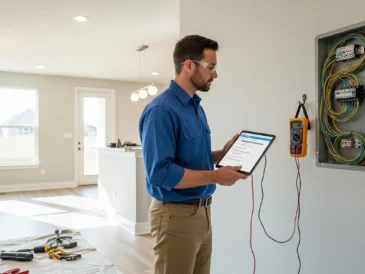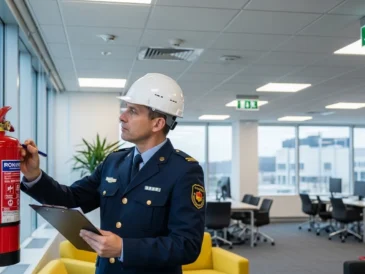
Gas safety is an important responsibility for property owners and landlords. When a property contains gas appliances, regular inspections are required to ensure that everything works safely. A Gas Safety Certificate confirms that gas appliances, pipework, and ventilation systems in a property have been inspected by a qualified professional.
This guide explains what the certificate is, why it is important, who needs it, and how landlords can obtain one. It also covers inspection procedures, legal responsibilities, and common mistakes that property owners should avoid.
What Is a Gas Safety Certificate?
A Gas Safety Certificate is an official document issued after a gas safety inspection carried out by a Gas Safe registered engineer. The inspection verifies that gas appliances, fittings, and pipework within a property meet safety regulations.
The certificate is often referred to as a CP12 certificate or landlord gas safety record. It includes information such as the appliances inspected, test results, and confirmation that the systems are safe to use.
During a gas safety inspection, the engineer checks whether appliances operate correctly and whether any potential gas leaks or ventilation problems exist. The record provides reassurance that the property meets current gas safety regulations and protects both landlords and tenants.
Why Gas Safety Certificates Are Important
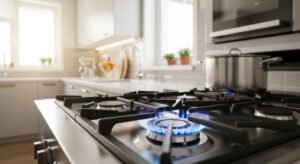
Gas appliances are safe when properly maintained, but faults can lead to serious risks. Gas leaks or poor ventilation may cause fire hazards or carbon monoxide exposure.
A Gas Safety Certificate plays an important role in preventing these risks because it confirms that appliances have been professionally inspected. Regular inspections help detect problems early and ensure that systems operate efficiently.
For landlords, gas safety compliance is also a legal responsibility. Completing an annual gas safety check protects tenants while reducing the risk of legal issues. Maintaining proper documentation also demonstrates that the landlord has followed the required safety procedures.
Who Needs a Gas Safety Certificate?
Several groups may need a gas safety inspection depending on the type of property and how it is used.
Landlords are the most common group required to arrange inspections. Any rental property with gas appliances must have a valid certificate confirming that appliances are safe.
Property managers and letting agents may also organize inspections on behalf of landlords. In some cases, commercial property owners require a commercial gas safety certificate if gas equipment is installed in business premises.
Homeowners are not legally required to obtain a certificate for their own homes, but many still arrange periodic gas appliance inspection services to maintain safety.
Types of Gas Safety Certificates
Different properties and industries may require different forms of certification depending on the type of gas equipment involved.
Landlord Gas Safety Certificate (CP12)
This certificate confirms that gas appliances in rental properties have been inspected according to safety standards. It is often referred to as a CP12 certificate and must be renewed each year.
Commercial Gas Safety Certificate
Commercial properties such as offices or retail spaces may require inspections performed by engineers qualified to check larger systems and commercial gas equipment.
LPG Gas Safety Certificate
Properties that use liquefied petroleum gas rather than mains gas require specialized inspections for LPG appliances and installations.
Catering Gas Safety Certificate
Restaurants and commercial kitchens must verify that cooking equipment and gas systems meet safety standards due to the higher demand placed on these appliances.
What Does a Gas Safety Inspection Include?
A professional inspection involves several detailed checks to confirm that appliances and installations function safely.
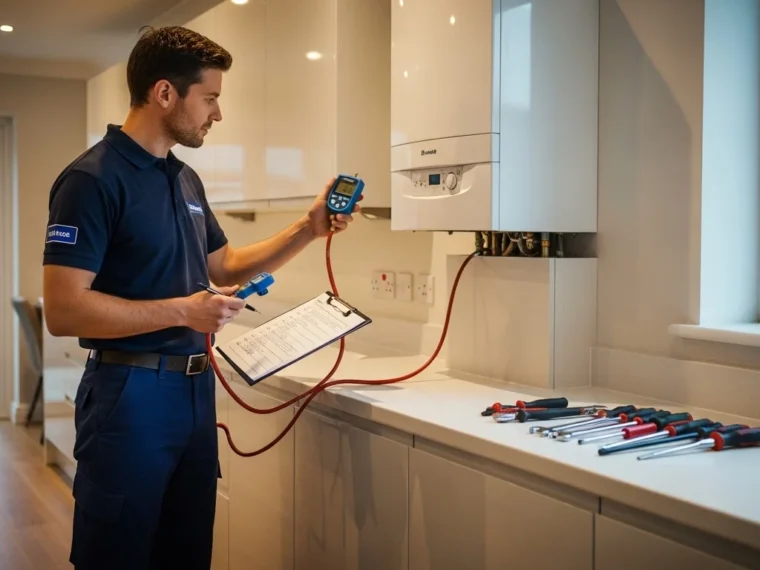
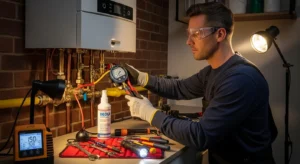
The engineer begins by examining gas appliances such as boilers, cookers, and heaters. Each appliance is tested to confirm that it burns fuel correctly and operates at the proper pressure.
The inspection also includes pipework inspection to identify leaks or corrosion. Engineers check flues and ventilation systems to ensure that harmful gases can safely exit the property.
Additional tests may include checking safety devices and evaluating the general condition of the installation. The final report summarizes the results and confirms whether the property meets gas safety requirements.
Gas Safety Inspection Checklist
Although each property may vary, most inspections follow a similar checklist.
Common checks include:
-
Boiler condition and performance
-
Gas cooker safety testing
-
Gas fire functionality
-
Pipework and fittings inspection
-
Flue and ventilation checks
-
Signs of carbon monoxide risk
Completing this gas safety inspection checklist helps engineers confirm that appliances are safe to operate and that no hidden hazards exist.
How to Get a Gas Safety Certificate
Obtaining a Gas Safety Certificate is a straightforward process for landlords and property owners.
First, find a qualified Gas Safe registered engineer who is authorized to perform the inspection. Only certified engineers can issue official documentation.
Next, schedule a convenient time for the inspection. During the visit, the engineer will test appliances, inspect installations, and verify compliance with gas safety standards.
If all systems pass inspection, the engineer provides the certificate confirming that the property has passed the gas safety check. Landlords should keep this document for their records and provide a copy to tenants when required.
Gas Safety Certificate Cost
The price of a gas safety inspection depends on several factors. These may include the number of appliances in the property and the complexity of the installation.
Typical costs for residential inspections include:
| Property Type | Average Cost |
|---|---|
| Property with one appliance | £60 to £70 |
| Property with two or three appliances | £70 to £90 |
| Larger properties | £100 or more |
While prices may vary by location, arranging regular inspections is a small cost compared with the safety benefits and legal protection it provides.
How Long Does a Gas Safety Certificate Last?
A Gas Safety Certificate usually remains valid for twelve months from the date of inspection. After this period, landlords must arrange a new inspection to maintain compliance.
It is possible to schedule the next inspection slightly earlier than the expiry date to avoid lapses. Maintaining a consistent inspection schedule helps ensure continuous safety and proper documentation.
Regular inspections also help detect maintenance issues before they develop into larger problems.
Landlord Legal Responsibilities
Landlords have several responsibilities related to gas safety in rental properties. These responsibilities ensure that tenants live in a safe environment and that appliances remain properly maintained.
Landlords must arrange a yearly gas safety inspection performed by a certified engineer. After the inspection, they must provide tenants with a copy of the landlord gas safety record.
In addition, landlords should keep records of previous inspections and ensure that any faults discovered during testing are repaired promptly.
Following these requirements helps landlords remain compliant with current gas safety regulations.
What Happens If You Do Not Have a Gas Safety Certificate?
Failure to maintain proper gas safety documentation can lead to serious consequences for landlords. Authorities may impose financial penalties if required inspections are not completed. In difficult situations, legal action could follow if unsafe appliances cause harm to tenants.
Lack of proper certification may also affect insurance coverage and property management agreements. Maintaining up-to-date inspections protects both tenants and property owners from unnecessary risks.
Common Gas Safety Mistakes Landlords Make
Even experienced landlords sometimes overlook important safety responsibilities. One common mistake is forgetting to arrange the annual inspection on time. Missing this deadline can leave a property without valid documentation.
Another mistake is hiring engineers who are not properly registered. Only certified professionals should perform official inspections. Some landlords also fail to provide tenants with a copy of the inspection record. Clear communication and proper documentation help avoid these issues.
Gas Safety Regulations in the UK
Gas safety in rental properties is governed by the Gas Safety Installation and Use Regulations 1998. These regulations require landlords to maintain appliances, pipework, and flues in a safe condition.
The rules also state that only qualified engineers can carry out inspections and issue official documentation. Compliance with these regulations protects tenants and ensures that properties meet national safety standards. Understanding these laws helps landlords manage properties responsibly and maintain a safe living environment.
How Tenants Can Check Gas Safety in a Property
Tenants also play a role in maintaining a safe home environment. Before moving into a property, tenants may request a copy of the landlord’s gas safety certificate to confirm that appliances were inspected recently.
Tenants can also verify an engineer’s credentials through the Gas Safe Register. If they notice unusual smells, yellow flames, or poorly functioning appliances, they should inform the landlord immediately. Prompt reporting of potential issues helps prevent serious problems and ensures that repairs are carried out quickly.
FAQs
What is a CP12 certificate?
It is another name for a landlord’s gas safety record issued after an inspection.
How long does a gas safety inspection take?
Most inspections take between thirty minutes and one hour, depending on the number of appliances.
Who can issue a gas safety certificate?
Only engineers registered with the Gas Safe Register can issue official documentation.
Do tenants need a copy of the certificate?
Yes. Landlords must provide tenants with the inspection record after the safety check.
Conclusion
Gas safety inspections are essential for protecting tenants and maintaining safe living conditions in rental properties. Regular maintenance, professional inspections, and proper documentation help ensure that gas appliances function safely and efficiently.
By arranging annual inspections, working with certified engineers, and keeping accurate records, landlords can meet their responsibilities and maintain a safe property for everyone involved.