Electrical safety is a critical part of maintaining any property. Faulty wiring, damaged circuits, or outdated electrical installations can increase the risk of electric shock and fire hazards. This is why regular electrical safety inspections are recommended for homes, rental properties, and commercial buildings.
One of the most important inspections used to assess electrical systems is an EICR, also known as an Electrical Installation Condition Report. This report evaluates the safety and condition of electrical installations and helps property owners identify potential risks before they become serious problems.
This guide explains what the inspection involves, who needs it, what electricians check during testing, and how it supports long-term electrical safety compliance.
What Is an EICR?
An Electrical Installation Condition Report is a professional document issued after a detailed electrical safety inspection of a property. The report evaluates the condition of wiring, circuits, and other electrical components to determine whether they are safe to use.
During the inspection, a qualified electrician examines the fixed electrical installation within a building. This includes the wiring system, consumer unit, switches, sockets, lighting circuits, and protective devices. The goal is to ensure that the electrical installation meets current safety standards and wiring regulations.
An EICR provides property owners with a clear overview of the condition of their electrical system. If faults, deterioration, or potential hazards are identified, the electrician records them in the report and recommends corrective action.
Electrical inspection reports are often required for rental properties, property sales, and regular maintenance checks. They help ensure that electrical installations remain safe and compliant with established electrical safety regulations.
Why an EICR Is Important for Electrical Safety
Electrical installations naturally deteriorate over time due to regular use, aging wiring, and environmental conditions. Without periodic inspections, small issues can go unnoticed and eventually lead to serious hazards.
An EICR plays an important role in identifying these problems early. By conducting a thorough electrical safety inspection, electricians can detect faults such as damaged cables, overloaded circuits, and inadequate earthing systems.
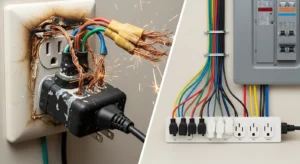
One major benefit of an Electrical Installation Condition Report is the prevention of electrical fires. Faulty wiring and defective electrical components are among the most common causes of property fires. Regular electrical testing reduces this risk significantly.
Another important factor is protection against electric shock. Proper earthing, bonding, and circuit protection are essential for preventing dangerous electrical faults. Electrical inspection reports verify that these safety mechanisms are functioning correctly.
The inspection also helps ensure compliance with electrical safety standards. Property owners and landlords are responsible for maintaining safe electrical installations, especially in rental properties where tenant safety is a legal obligation.
Who Needs an EICR?
Electrical safety inspections are recommended for many types of property owners. While some inspections are voluntary, others may be required to meet safety regulations or insurance requirements.
Landlords are one of the primary groups that require an EICR. Rental property owners must ensure that electrical installations remain safe for tenants. A landlord electrical safety certificate helps demonstrate compliance with electrical safety standards and rental property regulations.
Homeowners can also benefit from electrical inspection reports. Even if there is no legal requirement, regular electrical safety checks help identify faults before they become costly repairs. Property buyers often request an electrical inspection when purchasing a home. An electrical condition report provides valuable insight into the safety and reliability of the wiring system and other electrical components.
What Does an EICR Inspection Check?
A comprehensive inspection involves a detailed evaluation of multiple parts of the electrical installation. The goal is to ensure that all circuits and electrical systems operate safely and efficiently.
During an EICR, electricians examine electrical wiring throughout the property. They check for signs of deterioration, damaged insulation, or improper installation that could lead to electrical faults.
The consumer unit, sometimes referred to as the fuse board, is another critical component inspected during testing. Electricians verify that circuit breakers and residual current devices provide adequate protection against electrical overloads and short circuits. Sockets, switches, and light fittings are also examined as part of the electrical inspection checklist. These components must be securely installed and free from visible damage.
Earthing and bonding systems are carefully tested because they provide essential protection against electric shock. Proper grounding ensures that fault currents are safely redirected away from electrical circuits.
In addition to visual inspections, electricians use specialized testing equipment to measure insulation resistance, circuit continuity, and other electrical performance indicators.
Step-by-Step Process of an EICR Inspection
The inspection process follows several stages to ensure a complete evaluation of the electrical system.
The first step usually involves a visual inspection. Electricians look for visible signs of damage, outdated electrical accessories, or poor installation practices. This helps identify obvious hazards before detailed electrical testing begins.
Next comes circuit testing. Various electrical tests are carried out to assess the safety and performance of the installation. These tests may include insulation resistance testing, earth fault loop impedance testing, and RCD testing.
After completing the tests, the electrician records all observations in the report. Any defects, deterioration, or safety concerns are documented along with recommended corrective actions.
The final stage involves issuing the official EICR document. The report summarizes the inspection findings and indicates whether the electrical installation is considered satisfactory or requires further work.
EICR Codes Explained
Electrical inspection reports use classification codes to describe the severity of any issues found during testing. These codes help property owners understand the level of risk associated with specific electrical faults.
A C1 code indicates that danger is present and immediate action is required. This may involve exposed wiring, damaged components, or other hazardous electrical conditions.
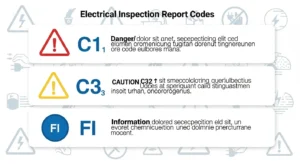
A C2 code identifies potentially dangerous issues that require urgent attention. Although the situation may not pose an immediate threat, corrective work should be completed as soon as possible. A C3 code suggests improvement recommendations. These issues do not necessarily present immediate danger but upgrading certain electrical components can improve safety.
An FI code stands for further investigation. This means additional electrical testing is required to determine the cause of a potential problem. Understanding these codes helps property owners prioritize necessary electrical repairs and safety improvements.
How Often Should an EICR Be Carried Out?
The recommended inspection frequency depends on the type of property and its usage. Residential homes are generally advised to undergo electrical safety inspections every ten years. This helps ensure that aging wiring and electrical components remain safe for continued use.
Rental properties typically require more frequent testing. Many safety standards recommend that landlords arrange an EICR at least every five years or whenever new tenants move into the property.
Commercial buildings may also require regular electrical inspections depending on their size, equipment usage, and operational risk factors. Regular inspections provide peace of mind and ensure that electrical installations continue to meet safety standards.
How Long Does an EICR Inspection Take?
The duration of an inspection can vary depending on several factors. Property size, the number of electrical circuits, and the complexity of the installation all influence the time required for testing. For a small residential property, an electrical safety inspection may take two to four hours. Larger homes or buildings with multiple circuits may require more extensive testing.
Properties with older wiring systems may also take longer to inspect because electricians need to perform additional safety checks. A thorough EICR ensures that every critical part of the electrical installation is properly evaluated, which is why inspection time can vary.
How Much Does an EICR Cost?
The cost of an electrical safety inspection can vary based on property size, location, and the number of circuits in the electrical system.
Smaller residential properties generally have lower inspection costs because they contain fewer circuits to test. Larger homes and commercial buildings may require more detailed testing, which increases the inspection price.
Another factor that can affect cost is the condition of the electrical installation. If significant faults are discovered, repairs or upgrades may be required before the system can be considered safe. Despite the potential expense, obtaining an EICR is a valuable investment in electrical safety and property protection.
What Happens If an EICR Is Unsatisfactory?
An unsatisfactory report means that one or more electrical safety issues were identified during testing.
When serious faults are discovered, electricians typically recommend corrective work to address the problem. This may involve replacing damaged wiring, upgrading the consumer unit, or installing improved circuit protection.
After the necessary repairs are completed, the property may require a follow up electrical inspection to verify that the issues have been resolved. Addressing electrical problems promptly helps maintain safety and prevents more expensive repairs in the future.
EICR vs EIC vs PAT Testing
Electrical safety certification can sometimes be confusing because several different inspection types exist.
An Electrical Installation Certificate is issued when a new electrical installation is completed or when major electrical work is carried out. It confirms that the installation meets safety regulations at the time of installation.
Portable Appliance Testing focuses on electrical appliances rather than fixed wiring systems. This testing method checks devices such as computers, kettles, and office equipment. An EICR evaluates the condition of the fixed electrical installation within a property. Each inspection serves a different purpose but all contribute to overall electrical safety.
Common Electrical Faults Found During EICR Inspections
Electrical inspections frequently uncover several common problems within older installations. Damaged or deteriorating wiring is one of the most frequent issues identified during testing. Over time, insulation may degrade, exposing electrical conductors and creating safety hazards.
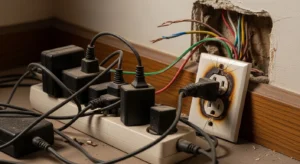
Another common fault is overloaded circuits. When too many appliances are connected to a single circuit, it can increase the risk of overheating and electrical failure.
Some properties may also lack proper residual current device protection. RCD devices play an important role in preventing electric shock and reducing the risk of fire.
Poor earthing or bonding connections can also be discovered during inspections. These safety mechanisms are essential for redirecting electrical faults safely away from circuits.
How to Prepare Your Property for an EICR Inspection
Preparing a property for electrical testing can help the inspection proceed smoothly and efficiently. Property owners should ensure that electricians have clear access to the consumer unit and electrical distribution board. These components are essential for conducting electrical tests.
If available, previous electrical inspection reports or installation certificates can also be useful. These documents provide valuable information about the history of the electrical installation.
Ensuring that circuits are clearly labeled can help electricians identify specific parts of the system more easily during testing. Simple preparation steps can help ensure that the EICR process is completed quickly and effectively.
Digital EICR Reports and Modern Inspection Technology
Modern electrical inspections are increasingly supported by digital technology. Many electricians now use mobile inspection software to record electrical testing results directly on digital devices.
Digital inspection systems allow electricians to capture photographs, test readings, and inspection notes in real time. This improves accuracy and reduces the chances of documentation errors.
Cloud-based reporting systems also allow property owners to access their Electrical Installation Condition Report online. Digital records make it easier to track inspection history and schedule future electrical safety checks. As technology continues to evolve, digital inspection tools are helping improve the efficiency and reliability of electrical safety assessments.
FAQs
Is an EICR legally required?
Legal requirements vary depending on property type and local electrical safety regulations. Landlords often need electrical inspection reports to demonstrate compliance with rental safety standards.
How long is an EICR valid?
Inspection validity typically depends on the type of property. Residential homes often require testing every ten years, while rental properties may need inspections every five years.
Can you sell a house without an electrical inspection report?
While it may not always be mandatory, many property buyers request an electrical condition report to ensure that the wiring system is safe before completing a purchase.